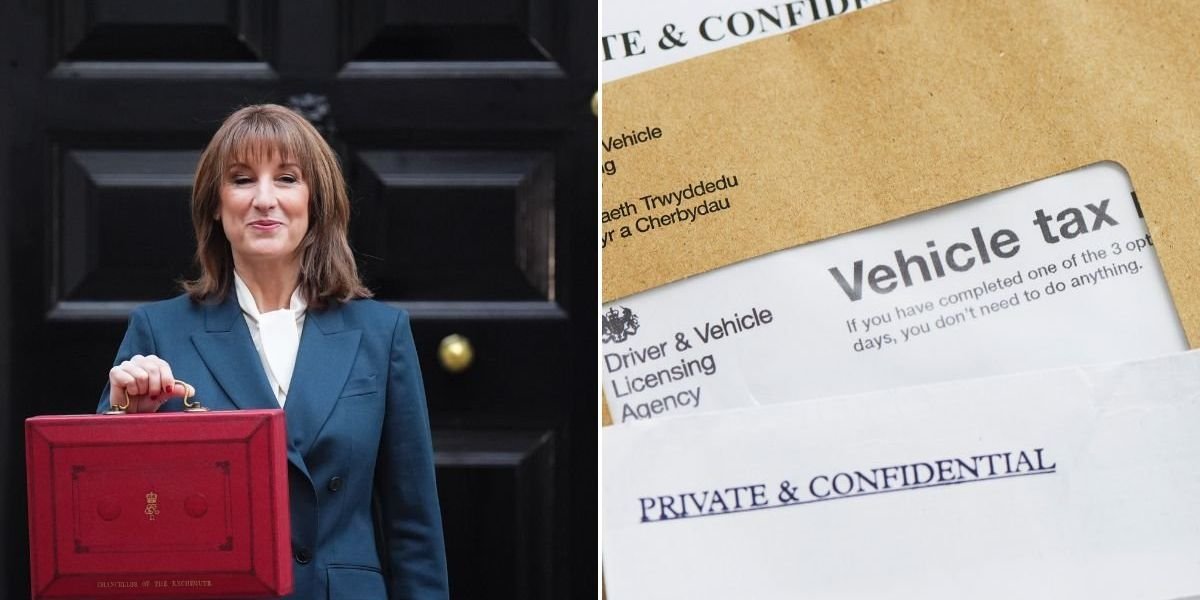
On June 13, 2024, Shadow Chancellor Rachel Reeves announced a significant change to vehicle taxation. This policy shift aims to raise revenue and ensure EV drivers contribute to road upkeep.
How Labour’s VED Reform Would Affect Electric Vehicle Owners
Currently, EVs are exempt from VED, a tax based on vehicle ownership. Reeves argued this exemption costs the Treasury an estimated £1.6 billion annually. The policy also includes increasing VED for the most polluting vehicles. Reeves stated the change would make the tax system “fairer” for all drivers. The announcement came as part of Labour’s broader fiscal plans ahead of the 2024 general election.co. Background on rachel reeves car tax is documented in Rachel Reeves confirms £135 charge for drivers – Express.co.uk
Timeline and Next Steps for the Proposed Car Tax Changes
The policy is set to take effect only if Labour wins the 2024 UK general election. Existing EV owners would not be affected. The move aligns with falling EV sales and a need to fund public services. Critics, including some EV advocates and industry groups, have voiced concerns. They argue the tax could discourage EV adoption at a critical time for climate goals.
Common Misconceptions About the EV Tax Exemption and Its End
One misconception is that EVs are completely tax-free. In reality, they are exempt from VED but still pay other taxes like fuel duty (though at a lower rate for electricity). Another myth is that the change applies retroactively. Some believe the policy targets only EVs, but Labour also plans to increase VED for the most polluting cars. The goal is to create a more balanced system where all vehicles contribute to road maintenance.
What Is Confirmed and What Remains Unverified About the Policy
The change would apply to new EVs from April 2025. The Treasury loses an estimated £1.6 billion annually from the EV exemption. Unverified: The exact VED rates for EVs after 2025 have not been specified. Labour has not detailed how the revenue will be allocated. The policy’s impact on EV sales remains uncertain. Some industry groups dispute the £1.6 billion figure, arguing it does not account for other taxes paid by EV drivers.
| Aspect | Current Rule | Proposed Change |
|---|---|---|
| VED for new EVs | Exempt | Pay standard VED rates |
| Effective date | N/A | April 2025 (if Labour wins) |
| Existing EV owners | Exempt | Unaffected |
| Revenue impact | £1.6 billion annual loss | Expected to reduce loss |
Frequently Asked Questions
What is the Rachel Reeves car tax proposal?
Shadow Chancellor Rachel Reeves announced it on June 13, 2024, as part of broader fiscal plans.
Who would be affected by the end of the EV tax exemption?
Existing EV owners and those who buy before the change would remain exempt. The policy also targets the most polluting cars with higher rates.
Why did Rachel Reeves propose ending the EV tax exemption?
Reeves argued the current exemption costs the Treasury £1.6 billion annually and is unfair to other drivers. The change aims to raise revenue for public services and ensure EV owners contribute to road maintenance.
How many electric vehicles are currently exempt from VED?
The exact number is not specified, but EV sales have grown significantly in recent years, making the exemption a growing fiscal concern.
What impact could the car tax change have on EV adoption?
Some industry groups and advocates warn it could discourage buyers, especially as EV sales have slowed. Labour argues the system must be fair and that other incentives, like lower running costs, remain. The net effect is uncertain.
Political Reactions and Industry Response to the Proposal
The announcement drew mixed reactions from political opponents and automotive industry leaders. Conservative MPs criticized the plan as a “tax on green technology” that would undermine efforts to meet net-zero targets. The Society of Motor Manufacturers and Traders (SMMT) expressed concern that removing the VED exemption could slow the transition to electric vehicles. However, some environmental groups supported the move, arguing that all vehicles should contribute fairly to road funding. Labour defended the policy as a necessary step to balance fiscal responsibility with environmental goals.
How the Policy Compares to Other Countries’ EV Taxation
The UK is not alone in reconsidering EV tax breaks. Several European countries have already reduced or eliminated incentives for electric vehicles. Norway, a leader in EV adoption, has maintained some exemptions but introduced taxes on high-value EVs. Germany reduced its EV purchase subsidy in 2023. France has a sliding scale of bonuses and penalties based on vehicle weight and emissions. The proposed UK change aligns with a broader trend of governments adjusting EV policies as adoption grows and fiscal pressures mount.