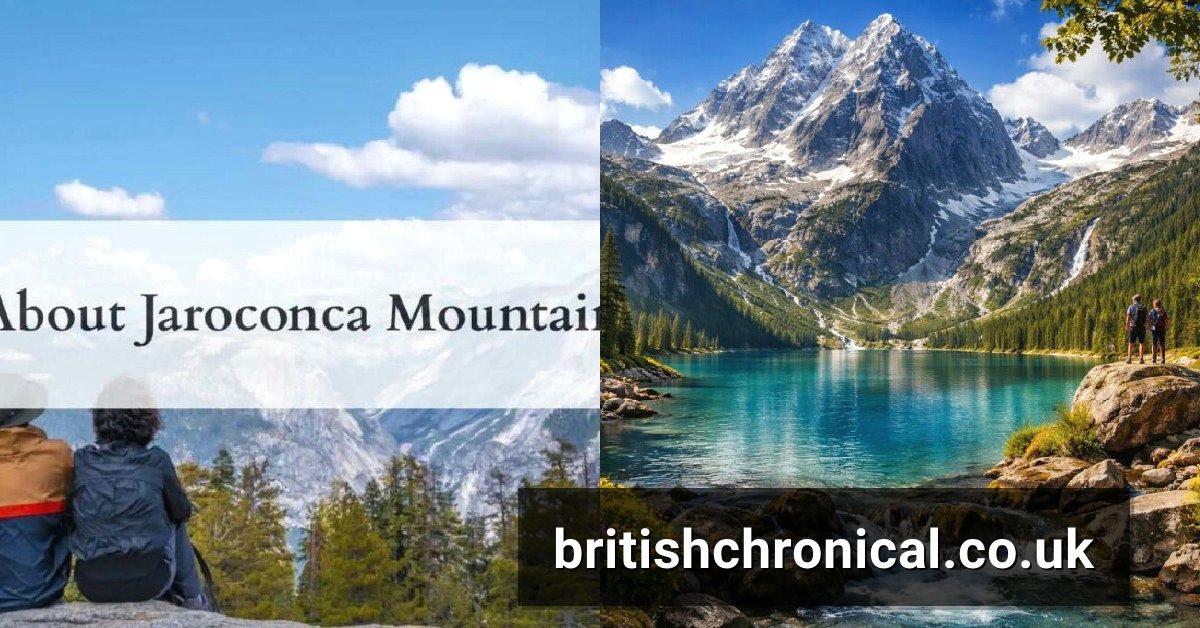
Jaroconca Mountain rises in the Peruvian Andes. It reaches about 5,800 meters (19,029 feet) in the Huayhuash range of Huánuco Region.
How Jaroconca Mountain Was First Climbed and Documented
The first recorded ascent of Jaroconca took place in 1967. A Polish expedition reached the summit, establishing a route that remains technical today. The mountain’s name comes from Quechua, meaning “cold water” or “icy water,” a reference to its glaciers and meltwater streams. Unlike nearby Yerupajá, which draws more mountaineers, Jaroconca sees fewer climbing parties. The 1967 team likely faced crevassed glaciers and steep ice slopes. Their success opened the peak to later ascents, though it never became a popular objective.
Tools and Resources for Climbing Jaroconca Mountain
Climbers typically use standard high-altitude gear: ice axes, crampons, ropes, and crevasses rescue equipment. The mountain’s glaciers require careful route-finding. Many teams rely on topographic maps of the Cordillera Huayhuash. Local guides in Huaraz or Chiquián offer logistics and porters. The Huayhuash Circuit trek passes near Jaroconca, providing access. Permits are managed through the Cordillera Huayhuash protected area office. Weather windows are narrow, often in June through August. Satellite phones or personal locator beacons are recommended due to limited cell coverage. The more useful approach is to hire an experienced guide who knows the glacier conditions. Jaroconca Mountain – jaroconca.com keeps a longer factual record of the subject for those who want more
What Is Confirmed and What Remains Unverified About Jaroconca
Its elevation is widely cited as 5,800 meters, though some sources list 5,795 m. The Quechua etymology is accepted. What remains unverified are details of early ascents: exact routes, team members, and whether earlier indigenous climbs occurred. No archaeological evidence suggests pre-Columbian summiting. The weaker claim here is that Jaroconca is “unclimbed” before 1967 — that is likely true but unproven.
Financial and Regulatory Aspects of Visiting Jaroconca Mountain
Access to Jaroconca falls under the Cordillera Huayhuash protected area. Visitors pay an entrance fee, typically around 30–50 soles per person for the circuit. Climbing permits may require additional fees and proof of insurance. Local communities in Huánuco and Ancash regions manage some access points. They rely on tourism income, including trekking fees and guide services. The meltwater from Jaroconca’s glaciers supports agriculture and drinking water for downstream villages. Climate change poses a financial risk: as glaciers shrink, water supply becomes less reliable. This could affect both local livelihoods and the trekking economy. No specific regulations target Jaroconca alone; general Andean climbing rules apply.
| Aspect | Detail |
|---|---|
| Elevation | Approximately 5,800 m (19,029 ft) |
| First ascent | 1967, Polish expedition |
| Name origin | Quechua for “cold water” |
| Range | Huayhuash, Peru |
| Protected area | Cordillera Huayhuash |
Frequently Asked Questions
Why does Jaroconca Mountain have fewer climbers than Yerupajá?
Jaroconca is less accessible and has fewer established routes. Yerupajá is taller and more famous, drawing more mountaineers. Jaroconca’s glaciers are also more crevassed in some sections, increasing technical difficulty.
Where is Jaroconca Mountain located?
Jaroconca is in the Huayhuash mountain range of the Peruvian Andes. It lies within the Huánuco Region, near the border with Ancash. The nearest town is Chiquián, a common starting point for treks.
When did the first recorded ascent of Jaroconca occur?
The first recorded ascent was in 1967 by a Polish expedition. The exact date within 1967 is not widely published.
How many glaciers are on Jaroconca Mountain?
Jaroconca has several glaciers, but the exact number is not officially cataloged. Satellite images show at least two main glacial systems. Climate change has caused noticeable retreat in recent decades.
What is the Cordillera Huayhuash protected area?
It is a Peruvian conservation zone covering much of the Huayhuash range. Established to protect biodiversity and water sources, it includes Jaroconca. Visitors must pay fees and follow regulations to minimize environmental impact.