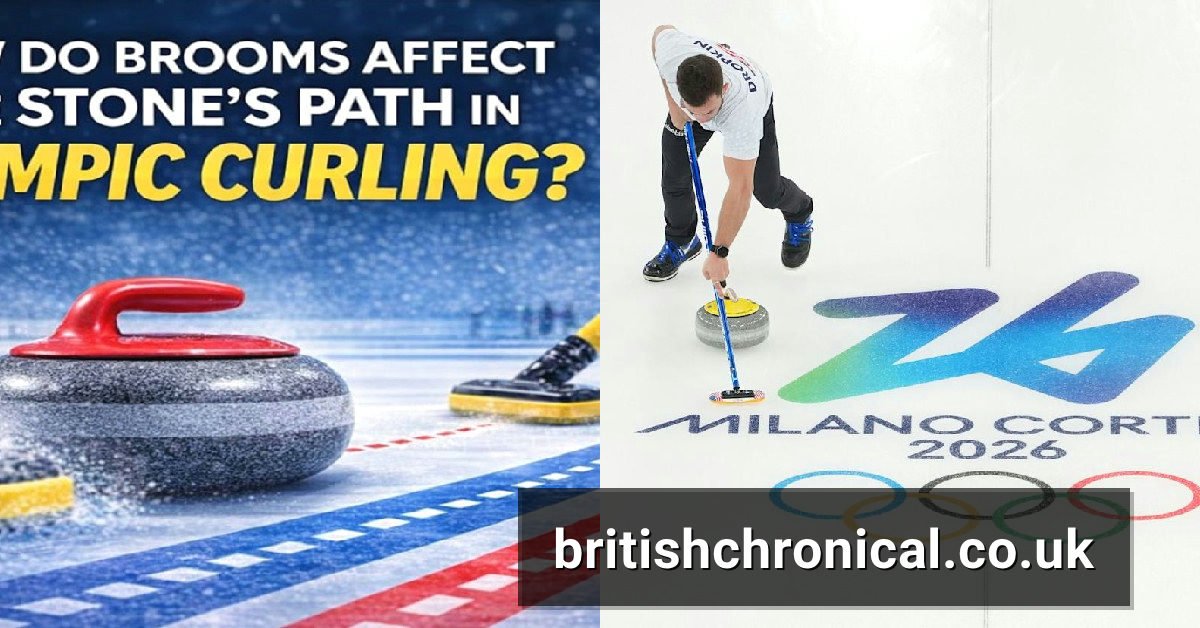
Watch any Olympic curling match, and you’ll see teammates furiously brushing the ice in front of a sliding granite stone. The motion looks frantic, almost chaotic. But those sweeps are anything but random—they are precise, physics-driven actions that can dramatically alter where the stone ends up.
Why Sweeping Matters More in Some Curling Hotbeds Than Others
Curling has deep roots in Canada, Scotland, and Scandinavia, where icy ponds and frozen lakes made the sport accessible. In these regions, sweeping technique has been passed down through generations. But as the sport expanded to warmer climates—like Japan, South Korea, and the United States—the role of brushing became even more critical. On artificial ice, which can vary in temperature and humidity, sweepers must adapt quickly. The 2022 Beijing Olympics, held on fast ice, highlighted how crucial sweeping was for precision. Teams from non-traditional curling nations, such as the Swiss women’s team, relied heavily on aggressive brushing to compensate for less familiar ice conditions. The regional difference isn’t just cultural; it’s a matter of adapting to the ice itself. Background on how do brushes affect the stone’s path in olympic curling? is documented in Olympics curling brooms, explained: How they affect stone's path
The Regulatory Landscape: How Rules Shape Brushing Strategy
Curling’s governing body, the World Curling Federation, has tightened rules around sweeping to keep the sport fair. Before the 2022 season, sweepers could brush as long as they wanted, but new limits were introduced to prevent teams from gaining an unfair advantage through excessive sweeping. The rule change capped the time a sweeper can brush a stone’s path, forcing teams to be more strategic. Additionally, brush heads must meet standardized specifications—synthetic materials have largely replaced hog hair since the 2010s, as they provide more consistent friction reduction. The “free guard zone” rule, introduced in the 1990s, also increased the importance of brushing: stones in the free guard zone cannot be removed until the fifth stone, so sweepers must carefully guide stones into position without over-curling. These regulations have turned sweeping from a brute-force task into a calculated, rule-bound skill. Background on how do brushes affect the stone’s path in olympic curling?
Who Benefits and Who Loses from Advanced Brushing Techniques
Teams with strong sweepers gain a clear edge. A well-timed brush can extend a stone’s travel by up to 12 feet, according to some estimates, and straighten its path by reducing curl. This benefits teams that rely on precise placement rather than power. For example, the Swedish men’s team, known for their finesse, uses sweeping to fine-tune stone position. Conversely, teams with weaker sweepers—often those from less established curling nations—may struggle to keep up. The skip, who directs the sweepers, also benefits from clear communication; a misread can send a stone too far or too wide. The losers are teams that cannot afford the latest carbon-fiber brush handles, which reduce fatigue and allow faster sweeping. While Olympic-level teams typically have sponsors, the cost of high-end equipment can be a barrier for developing programs. In this sense, brushing technology widens the gap between haves and have-nots.
The Physics of the Brush: How Sweeping Alters the Stone’s Path
The core mechanism is friction reduction. When a sweeper brushes the ice, they polish the surface and create a thin layer of water. This water layer reduces friction between the stone and the ice, allowing the stone to travel farther. But the effect on curl is more nuanced. The stone’s rotation causes it to curl—veer sideways—due to differential friction on its leading and trailing edges. Sweeping warms the ice, which can slow the stone’s rotation and reduce curl, effectively straightening its path. The brush head material matters: synthetic bristles are more aggressive at warming the ice, while hog hair is gentler. Olympic curlers typically use synthetic heads, which offer more control. The technique also varies: some sweepers apply heavy pressure to maximize friction reduction, while others use lighter, faster strokes to maintain a consistent water layer. The skip’s call—whether to sweep or not—can mean the difference between a stone landing in the house or sliding past it. In the 2022 Beijing Olympics, several matches were decided by inches, with sweeping playing a decisive role.
Frequently Asked Questions
Who decides when to sweep in curling?
The skip, who stands at the far end of the ice, directs the sweepers. The skip watches the stone’s trajectory and calls out commands—often “sweep” or “whoa”—based on the stone’s speed and line. The sweepers must react instantly, as even a half-second delay can change the outcome.
How much does a high-quality curling brush cost?
Competition-level curling brushes range from roughly $100 to $300. Carbon fiber handles are more expensive but lighter, reducing fatigue during long games. Synthetic brush heads cost around $20 to $40 and are replaced frequently to maintain performance. Teams may spend several hundred dollars per season on brushes alone.
What is the most important effect of sweeping on the stone’s path?
The most important effect is reducing curl. By warming the ice and creating a water layer, sweeping decreases the stone’s lateral movement, making it travel straighter. This allows the skip to aim more precisely and place the stone exactly where intended, especially on fast ice where curl is more pronounced.
Is there any controversy about sweeping in Olympic curling?
Yes, controversy has arisen over the consistency of brush technology. In the 2010s, some teams used brushes with textured pads that allegedly created uneven ice grooves, giving an unfair advantage. The World Curling Federation responded by standardizing brush heads and limiting sweeping time. However, some argue that enforcement remains inconsistent across competitions.
What is a good alternative to sweeping for controlling the stone’s path?
There is no direct alternative to sweeping, but teams can adjust the stone’s path by changing the release angle or rotation speed. A wider release angle increases curl, while a tighter release reduces it. However, these adjustments are less precise than sweeping, which allows real-time correction after the stone is thrown.