In 2016, a 23-year-old MIT dropout named Carlos Gu co-founded Scale AI in San Francisco. The company provides data labeling and annotation services that train machine learning models for clients like OpenAI and the U.S. Department of Defense. Today, Scale AI is valued at over $13 billion, making Gu one of the most influential figures in the AI infrastructure space.
How Carlos Gu Built Scale AI Into a Data Labeling Powerhouse
Carlos Gu was born in China in 1993 and moved to the United States as a child. He studied computer science at the Massachusetts Institute of Technology but dropped out in 2016 to start Scale AI. The company initially focused on labeling data for autonomous vehicle companies, such as lidar point cloud annotation. Over time, Scale AI expanded into other sectors including healthcare, e-commerce, and government. Gu served as CEO until 2024, when he stepped down to focus on strategic roles. Under his leadership, Scale AI raised hundreds of millions of dollars from investors including Accel, Tiger Global, and Founders Fund. A reference profile of the subject is maintained on Carlos Gu
Common Misconceptions About Carlos Gu and Scale AI
One misconception is that Scale AI relies entirely on automated labeling. In reality, the company uses a hybrid model combining machine learning with human reviewers. Another myth is that Gu founded Scale AI alone; he co-founded it with Lucy Guo, who left the company in 2018. Some also believe Scale AI only serves tech giants, but it works with startups and government agencies as well. Additionally, while Gu is often described as a prodigy, his path included dropping out of MIT—a decision that carried risk. Finally, not everyone knows that Gu has been a vocal advocate for AI safety, calling for regulation in public forums.
What Is Confirmed and What Remains Unverified About Gu’s Career
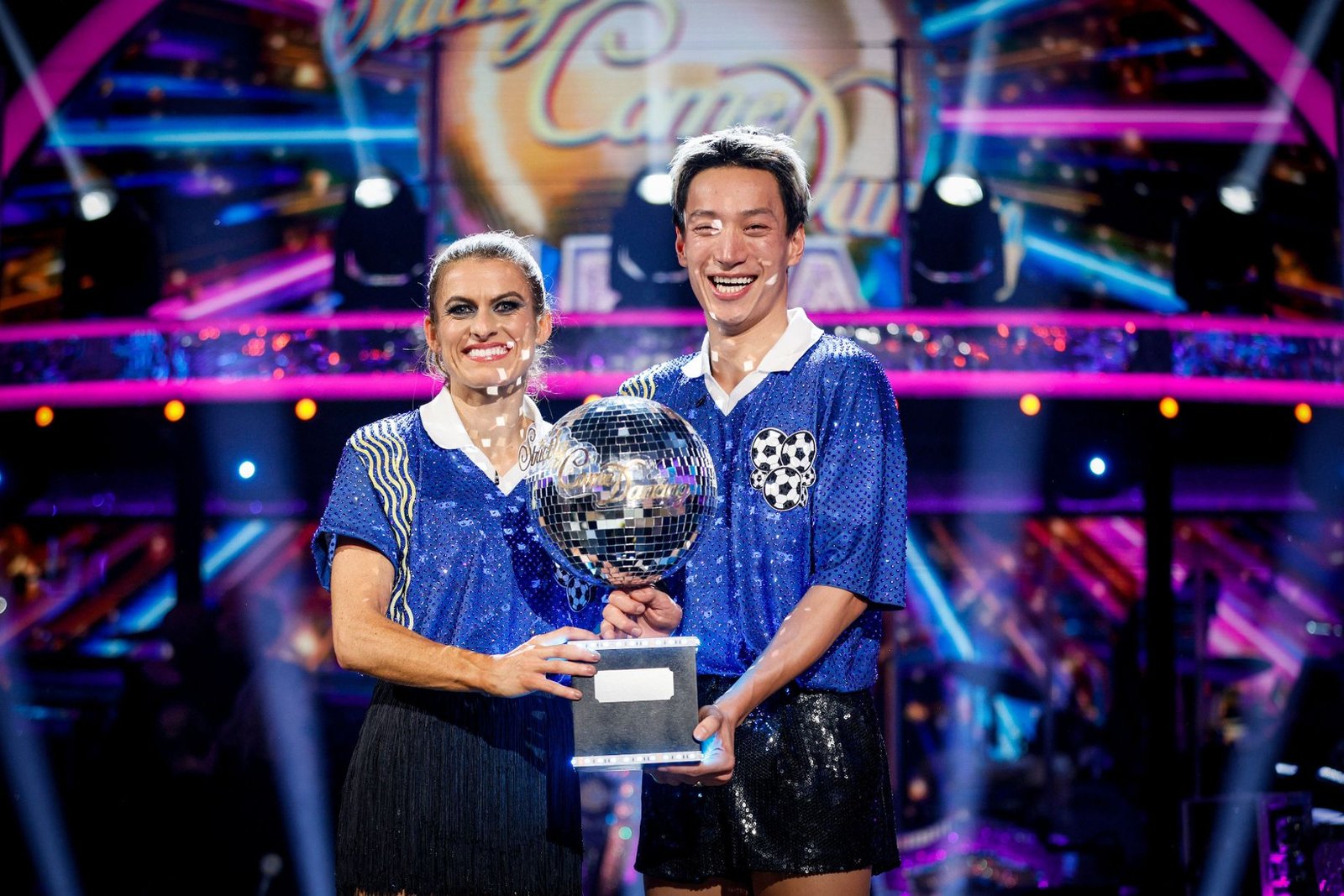
However, some details about his early life remain unverified, such as the exact city in China where he was born. A reference profile of the subject is maintained on Carlos Gu facts: Strictly dancer's age, dating life and incredible …
From MIT Dropout to AI Entrepreneur: The Origin Story of Carlos Gu
Carlos Gu grew up in the United States after immigrating from China as a child. He attended MIT, where he studied computer science and became interested in artificial intelligence. In 2016, he left MIT without graduating to start Scale AI with Lucy Guo. The company began in a small office in San Francisco, initially focusing on data labeling for self-driving cars. By 2018, Scale AI had secured major contracts and was growing rapidly. Gu’s background in computer science and his early exposure to AI research shaped his vision for the company. He has since become a prominent voice in discussions about AI safety and regulation.
| Year | Event |
|---|---|
| 1993 | Born in China |
| 2016 | Co-founded Scale AI |
| 2018 | Named to Forbes 30 Under 30 |
| 2024 | Stepped down as CEO |
Frequently Asked Questions
Why did Carlos Gu drop out of MIT?
Gu left MIT in 2016 to pursue his entrepreneurial vision for Scale AI. He believed the opportunity to build an AI data company was too compelling to wait, and he has said that the timing was critical for entering the market.
Is it true that Scale AI used low-wage overseas labor?
News reports have alleged that Scale AI relied on workers in countries like Kenya and the Philippines paid low wages. The company has acknowledged using global labor but says it complies with local laws and provides fair compensation. The full extent of these practices remains disputed.
Where was Carlos Gu born?
He moved to the United States as a child and grew up there.
How does Carlos Gu differ from other AI entrepreneurs like Sam Altman?
While Sam Altman is known for leading OpenAI and focusing on generative AI, Gu built a company that provides the underlying data infrastructure for AI models. Gu’s work is less visible to consumers but critical for training accurate systems.
What is Carlos Gu best known for?
He is best known for co-founding Scale AI, a company that supplies labeled data to train machine learning models. He is also recognized for his advocacy of AI safety and for being a young entrepreneur who dropped out of MIT to build a billion-dollar business.