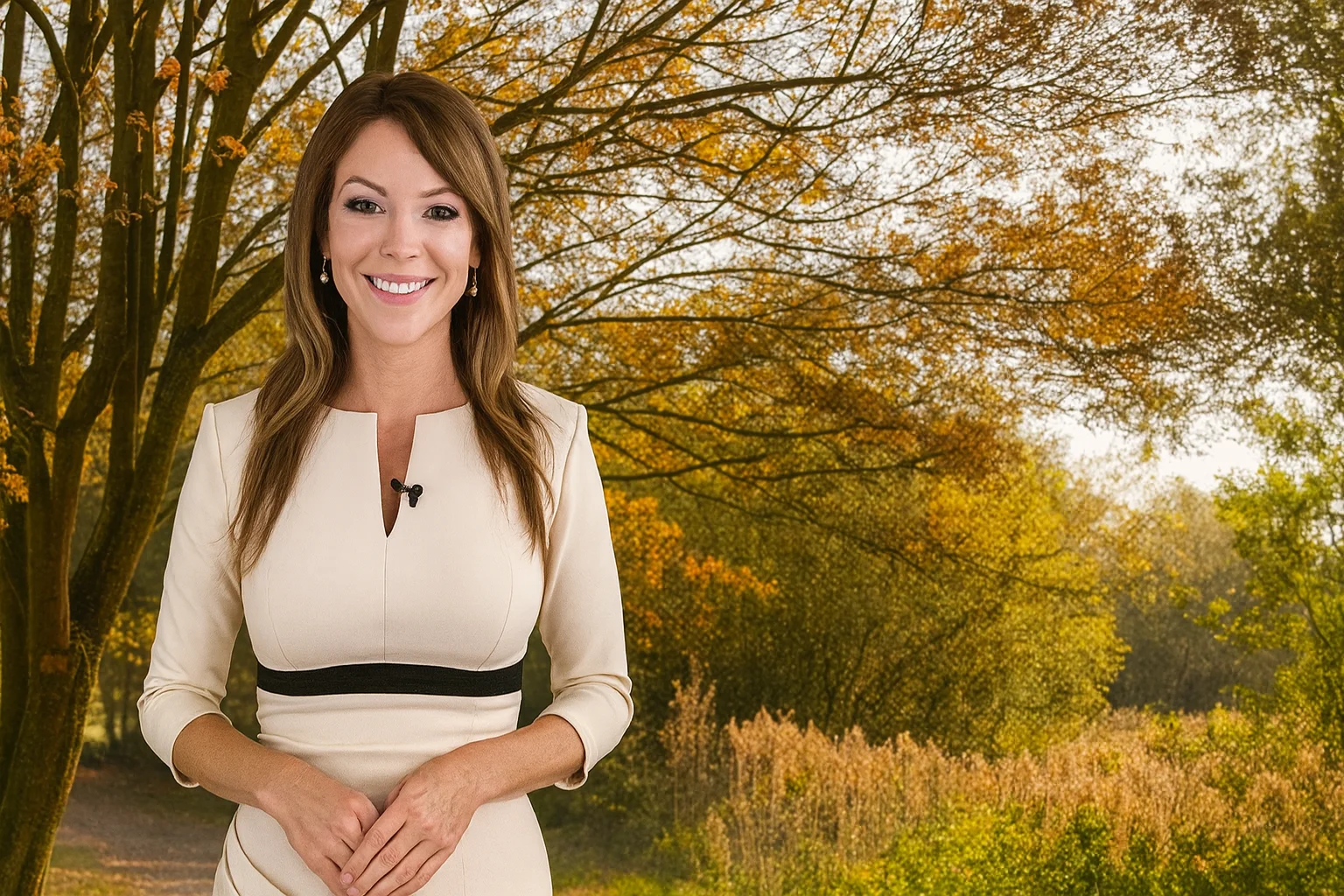
Elizabeth Rizzini has spoken publicly about living with a disability while building a career in the public eye. Her openness has contributed to broader conversations about accessibility and representation.
Common Misconceptions About Elizabeth Rizzini Disability
Public figures with disabilities often face assumptions about their capabilities. According to some sources, Rizzini has pushed back against the idea that disability defines a person’s professional limits. Misconceptions frequently include the belief that people with disabilities cannot lead demanding careers or maintain active public roles. Rizzini’s own trajectory challenges these assumptions directly. Another common myth is that disability advocacy is separate from professional work. In Rizzini’s case, her personal experience and public platform intersect, making her advocacy an extension of her career rather than a separate pursuit. Some observers also conflate visible and invisible disabilities, assuming that a public figure who appears active cannot face significant daily challenges. Rizzini has addressed this by discussing the fluctuating nature of certain conditions. co.uk/elizabeth-rizzini-disability/” rel=”noopener noreferrer” target=”_blank”>Elizabeth Rizzini Disability Journey: Family, Career & Advocacy …
How Rizzini’s Experience Shaped Her Approach to Public Life
Living with a disability in the public sphere requires navigating both personal challenges and external perceptions. Rizzini has described how her condition influenced her communication style and the types of projects she chooses. Colleagues have noted that her firsthand understanding of accessibility barriers informs her professional decisions. This behind-the-scenes reality means that seemingly routine public appearances often involve additional planning. Accommodations for travel, venue access, and scheduling are considerations that many audiences never see. Rizzini has been candid about the effort required to maintain a public presence while managing health needs. Her approach reflects a broader pattern among public figures with disabilities who must balance visibility with sustainability. Rather than treating accessibility as an afterthought, Rizzini integrates it into her professional planning from the outset.
Where Elizabeth Rizzini’s Story Began
Rizzini’s background includes formative experiences that shaped her awareness of disability issues from an early stage. Growing up, she encountered both supportive environments and systemic barriers that would later inform her advocacy. Public records indicate that Rizzini pursued her career goals despite limited representation of people with disabilities in her field. Her early professional years coincided with growing public attention to accessibility rights and inclusion standards. This timing placed Rizzini in a position to benefit from evolving norms while also contributing to their development. The intersection of personal experience and historical context gave her a distinctive perspective on what meaningful inclusion requires. Rather than accepting surface-level accommodations as sufficient, Rizzini has advocated for structural changes in how organizations approach disability.
Key Moments in Rizzini’s Public Advocacy
Rizzini’s advocacy has unfolded across several notable phases. Early in her career, she focused primarily on her professional work while occasionally addressing accessibility when directly asked. As her platform grew, she began speaking more deliberately about disability representation in media and public institutions. A significant shift occurred when Rizzini started collaborating with organizations dedicated to accessibility standards. These partnerships allowed her to move beyond personal storytelling toward systemic advocacy. She has participated in panels, interviews, and public discussions where she outlined specific barriers that people with disabilities face in professional settings. Rizzini has also used her visibility to highlight the gap between stated commitments to inclusion and actual practices. Her timeline of advocacy reflects a gradual but consistent expansion from individual experience to collective action.
| Aspect | Details |
|---|---|
| Public Advocacy | Focuses on accessibility in media and professional settings |
| Approach | Integrates personal experience with systemic advocacy |
| Collaborations | Works with accessibility-focused organizations |
| Visibility | Uses public platform to highlight inclusion gaps |
Frequently Asked Questions
Who are Elizabeth Rizzini’s closest collaborators in disability advocacy?
Elizabeth Rizzini has worked with several organizations focused on accessibility and inclusion, though specific names of individual collaborators vary across sources. Her partnerships tend to center on groups that address media representation and professional accessibility rather than single-issue campaigns.
Has Elizabeth Rizzini faced controversy over her disability claims?
There is no widely reported controversy regarding Rizzini’s disability. Some public figures with disabilities face scrutiny about the legitimacy of their conditions, but available sources do not indicate that Rizzini has been subject to significant public dispute on this matter.
Is Elizabeth Rizzini still active in advocacy work today?
Rizzini continues to maintain a public presence that includes accessibility-related advocacy. The scope and visibility of her work may fluctuate, but she has not stepped away from the broader conversation about disability inclusion in professional and media contexts.
Why did Elizabeth Rzzini choose to speak publicly about her disability?
Rizzini has indicated that her decision to speak openly stemmed from a desire to challenge stereotypes and improve conditions for others. Personal experience with barriers in professional settings motivated her to use her platform for broader advocacy rather than keeping her condition private.
Where was Elizabeth Rizzini’s advocacy work most visible?
Rizzini’s advocacy has been most visible in media and professional forums where she has participated in interviews and panel discussions. Her work spans both national and international platforms focused on accessibility standards and disability representation.